
Content unavailable.
This content is available only for LRA members. Please consider joining our club.
April 2024 Newsletter
March 2024 Newsletter
February 2024 Newsletter
January 2024 Newsletter
About Ham Radio
The Amateur Radio Service (“Ham Radio”) is a radio service licensed in the USA by the Federal Communications Commission. It’s more than just talking with friends over the radio, it’s many facets can keep you fascinated for a lifetime.
Continue reading “About Ham Radio”A Ham Radio Fable … once upon a time… .
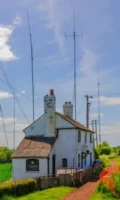
In the quiet town of Springdale, Wisconsin, where technology often played second fiddle to tradition, lived a young man named Alex. Growing up surrounded by smartphones and instant messaging, he was drawn to the allure of technology. However, it was not the flashy apps or the latest gadgets that captured his imagination; it was the subtle whisper of radio waves, the hum of electronics, and the promise of connecting with the world through ham radio.
Continue reading “A Ham Radio Fable … once upon a time… .”How to get a license
The Lakeshore Radio Association (LRA) has proudly served the Racine and Kenosha Wisconsin communities with origins going back 77 years, promoting technical education, community service, and emergency preparedness through amateur (“ham”) radio. We are a registered 501(c)(3) nonprofit organization, and our continued operations rely on volunteer effort and community support.
The LRA maintains and operates a network of wide-area repeater communications systems that provide coverage across most of southeastern Wisconsin. These systems are available to support emergency and public safety communications, including health and welfare traffic during disasters or infrastructure outages. Our volunteers also work closely with the National Weather Service, forming part of a regional network of trained SKYWARN weather spotters who provide on-the-ground observations during severe weather events.
Beyond these ongoing activities, our members support public safety and civic operations through the Amateur Radio Emergency Service (ARES). In times of crisis—such as the severe flooding in Asheville, North Carolina, last year—licensed amateur radio operators played a crucial role by handling non-life-threatening communications, reducing traffic on essential emergency channels and ensuring that critical messages could get through. The LRA trains and certifies operators locally to provide that same kind of vital communications support here in southeastern Wisconsin when needed.
We also engage with local youth groups and schools, introducing students to the science, technology, and public-service aspects of amateur radio. Through classroom presentations, hands-on demonstrations, and mentoring programs, we help inspire the next generation of engineers, technicians, and community volunteers.
In addition, our members provide communications assistance for local public events—such as charity runs, parades, and community safety exercises—where reliable coordination is essential and where cellular or Internet-based systems may be unavailable or overloaded.
It all begins with training and maintaining a continual pool of volunteers, in cooperation with the Federal Communications Commission and the American Radio Relay League, to ensure a steady stream of qualified, licensed amateur radio operators. The amateur radio licensing exams we administer are a key part of this mission—completely volunteer-run, non-commercial, and open to the public.
1. Understand the License Levels
- Technician: Entry-level, grants access to VHF and UHF bands.
- General: Allows access to more HF bands.
- Extra: Grants access to all 29 allocated amateur radio bands.
2. Study for the Exam
- Technician License: Study materials typically cover basic electronics, radio theory, and operating procedures. Books, online courses, and practice exams are available.
- General and Extra Licenses: More advanced study is required, including deeper technical knowledge and operating rules. Resources like the ARRL (American Radio Relay League) provide study guides and practice tests.
3. Find a Testing Location
- Exams are administered by Volunteer Exam Coordinators (VECs). You can find test sessions by contacting us or on the VEC websites. The ARRL VEC, W5YI VEC, and other organizations can help you locate a testing session near you.
4. Register for the Exam
- Check the testing schedule and register for a test session. Some VECs allow you to register online.
5. Prepare Required Documents
- Photo ID: A government-issued photo ID (driver’s license, passport).
- FCC Registration Number (FRN): If you don’t already have an FRN, you can get one by registering on the FCC’s website. You’ll need this for your application.
6. Take the Exam
- Arrive at the testing location on time. The exams are typically multiple-choice and administered in a proctored setting. You’ll need to pay a small fee, usually around $15.
7. Receive Your Results
- Results are usually provided on the same day. If you pass, your exam paperwork will be sent to the FCC for processing.
8. Wait for Your License
- The FCC will process your application and issue your license. This can take a few weeks. You’ll receive your call sign and license details via email or postal mail.
9. Start Operating
- Once you receive your license, you can start operating on amateur radio frequencies. Make sure to follow all regulations and operating practices.
Additional Tips:
- Join a Club: Local amateur radio clubs can offer support, resources, and community.
- Use Online Resources: Websites like QRZ.com and the ARRL offer valuable information and tools.
- Stay Updated: Regulations and procedures may change, so keep an eye on updates from the FCC and amateur radio organizations.
Good luck with your journey into amateur radio!
Heartfelt Thanks for an Unforgettable Christmas Party!
Relive the enchantment of our Christmas party, expertly organized by Danni, Heather, Pete, and Dave, as we invite you to browse through the delightful moments captured in our photo gallery – a heartfelt thank you to all who made it a night to remember!
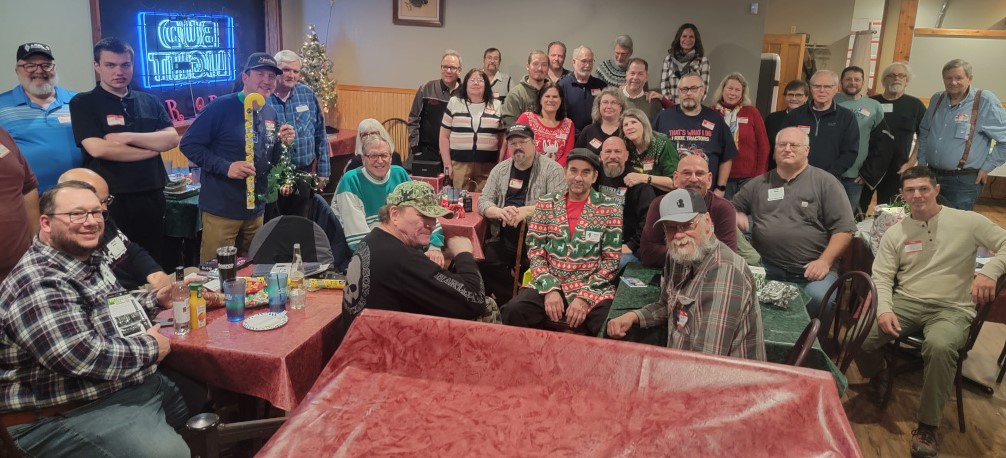
Dear LRA Members and Guests,
We hope this message finds you still basking in the warmth and joy of the holiday season! As we bid farewell to another year, we wanted to take a moment to express our deepest gratitude to everyone who made our Christmas party a resounding success.
Continue reading “Heartfelt Thanks for an Unforgettable Christmas Party!”